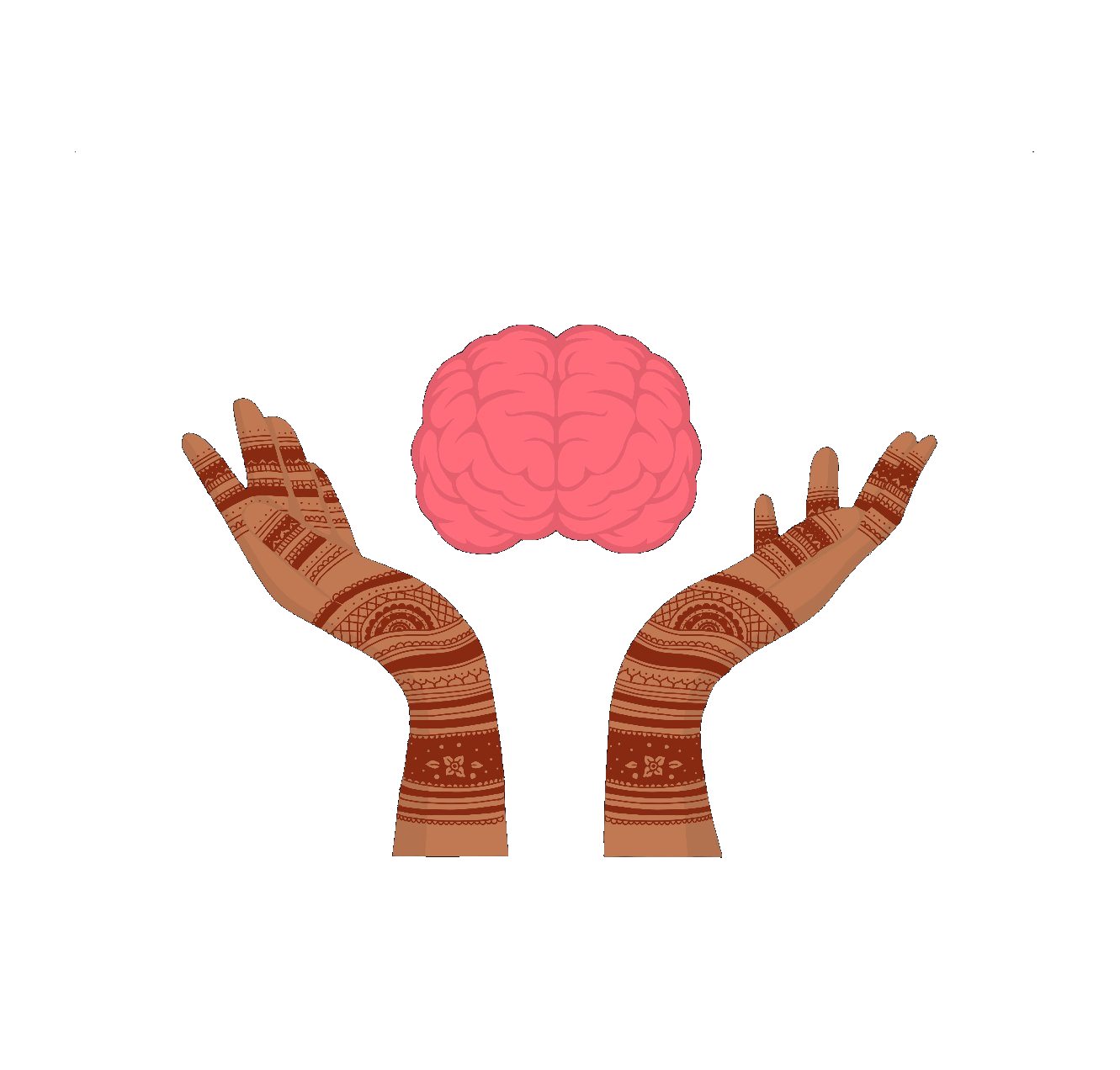
Shiva's Third Eye
In the heart of a typical American house hangs a painting by my father of a blue-skinned ascetic deity with four arms and three eyes, the centerpiece of my childhood home.
He wears a garland of dried stones and rudraksha beads with serpents cloaking his neck and wrists. The figure is Lord Shiva, the Hindu God of Destruction — the master of poison and medicine. Shiva was my introduction to duality.
It was uncommon to see a South Asian name on the list of patients at the child and adolescent psychiatric inpatient unit. My instant gravitation to a name that was paradoxically familiar and foreign was my first lesson in countertransference. I saw parts of myself in my patient — a first-generation Indian American, a reflection of a bicultural identity, and the amalgamation of the stress of acculturation, transgenerational trauma, and adolescence.
She presented for an "acute onset behavioral change," clinically described as persecutory delusions and paranoid ideation. We reassured the parents we were searching for another cause of her paranoia — as if an "organic" etiology would be more validating than a primary psychotic disorder. It was the model minority myth personified.
I am drawn to psychiatry as it welcomes seemingly conflicting realities. A psychiatric diagnosis can simultaneously validate symptoms and introduce newfound sources of stigma. In my eyes, becoming a psychiatrist involves holding space for these conflicting truths and exploring patients as whole people in order to empower them to chart their path to recovery.
My patient's mother wore a red bindi at the hospital — Shiva's third eye, which quells all evil. Through psychotherapy and a trust fostered by our shared identity, we started to unravel the layers of stigma intertwined with mental illness and psychosis. Our conversations are a form of medicine. Within duality lies connection.